2026/11 · OP-ED
The case for protecting democracies through the EU's trade policy
Table.Europe · with Keijzer
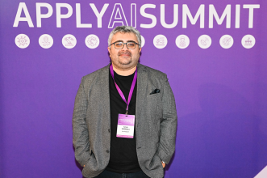
I was in Brussels this week for the #ApplyAI Summit. It was a well-attended flagship event that marked the first European AI Innovation Month and brought together key stakeholders from industry, regulation, and the technical community. One targeted sector was public administration for #AI adoption. “Many public administrations do not even know they are actually running AI pilots within their systems.” Someone said this half as a joke, but it captures where we are in AI adoption in knowledge-intensive organizations like public administrations.
Read on LinkedIn →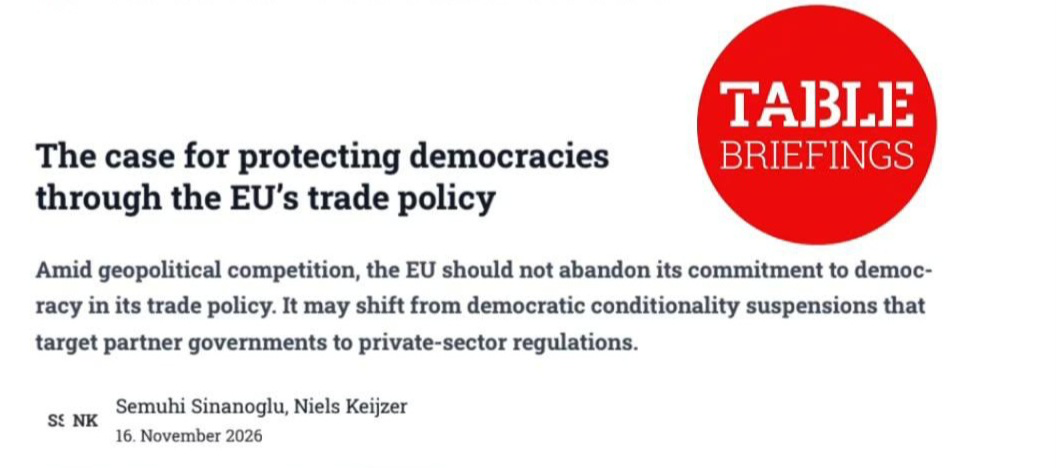
New op-ed! 🔉 In a recent exchange, a colleague in the #democracy protection ecosystem told us, “We have all become #trade experts these days.” For a good reason. In this new #geopolitical environment, democracy is increasingly absent from high-stakes trade conversations, as it is harder to convince trade officials that suspension-led, government-facing democratic conditionality is proportionate.
Read on LinkedIn →
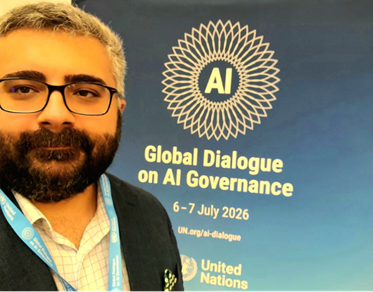
I am excited to join the Multistakeholder Consultation Group of the United Nations Group on the Information Society (UNGIS-MCG). We just had our kick-off meeting for the first cohort (2026-28). The MCG is a direct result of the WSIS+20 review (WSIS Process), which the United Nations General Assembly concluded in December 2025. Following the ECOSOC call for UNGIS to draw on multi-stakeholder advice, UNGIS convenes this consultative body to receive input from diverse stakeholders and to help put WSIS commitments into practice.
Read on LinkedIn →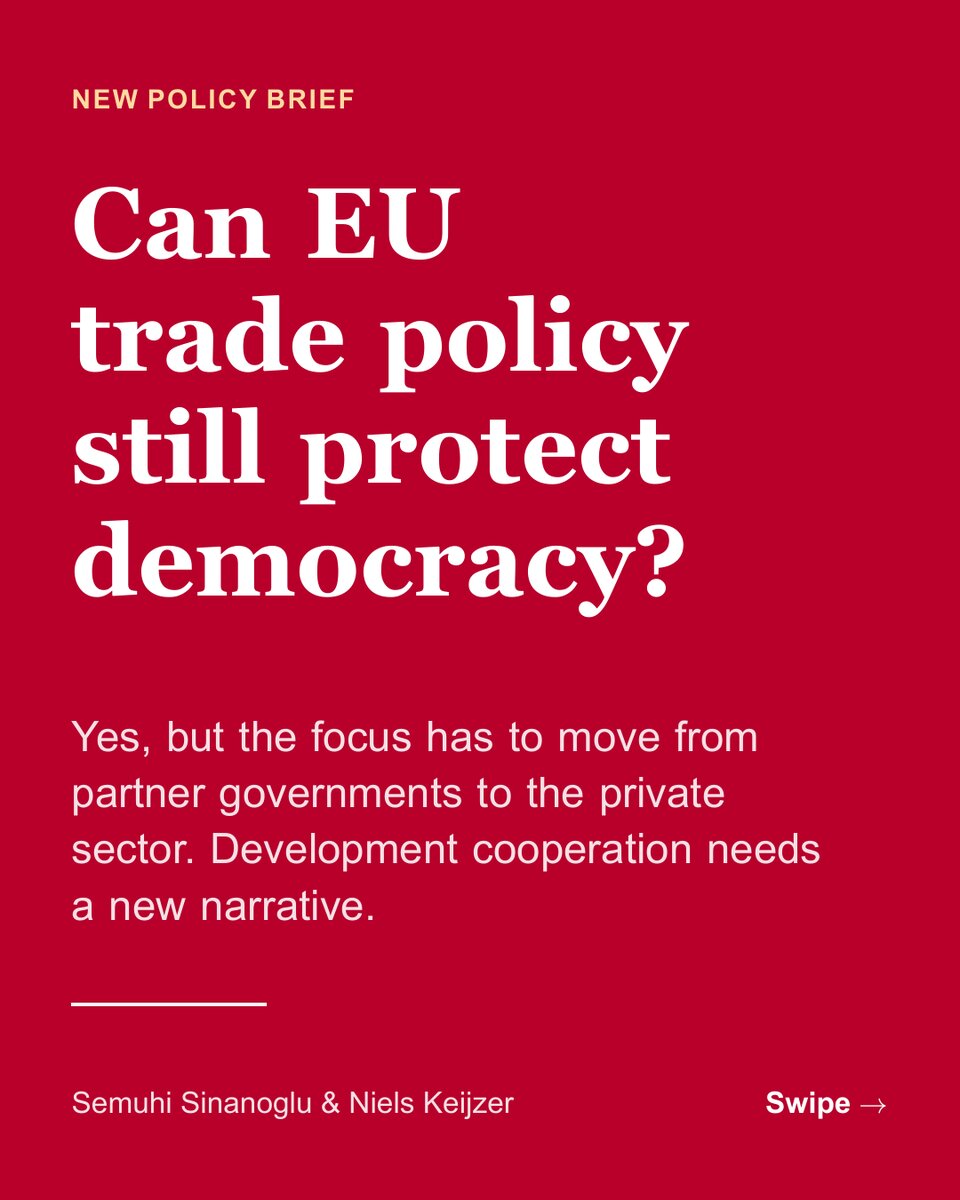
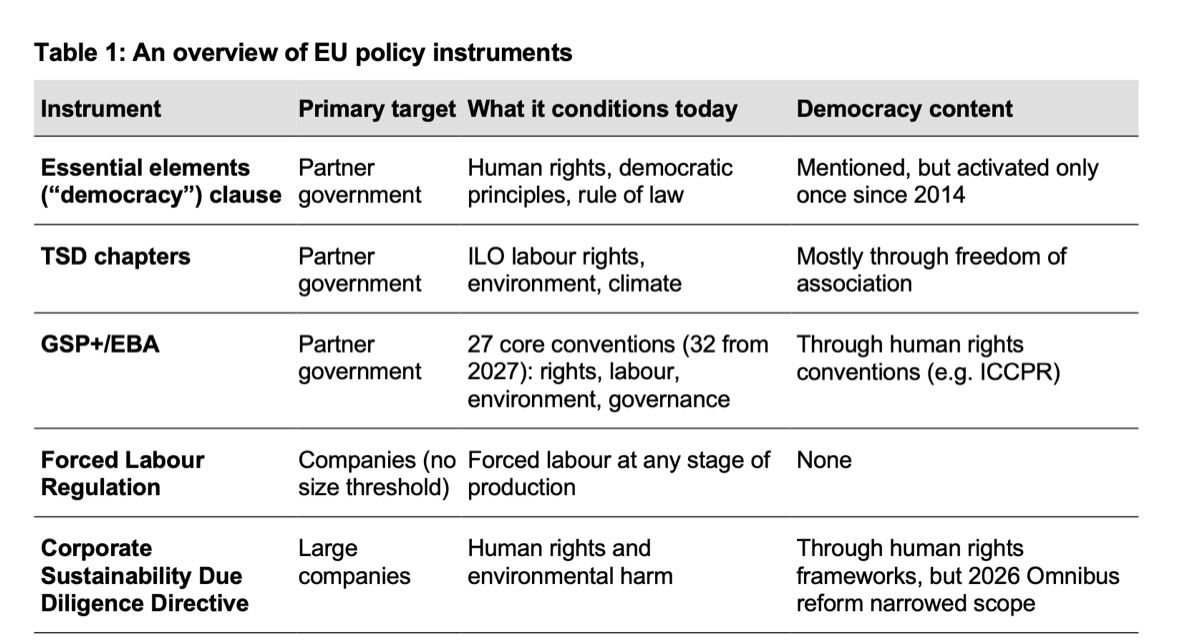
New publication! 🔔 🇪🇺 The #EU has developed a diverse menu of policy instruments to protect #democracy and human rights in its #trade policy. But with geopolitical tensions, tariff wars, and increased pressure to boost competitiveness, withdrawing trade preferences and imposing sanctions on partner governments has become more politically costly. 🛡 But that doesn't mean the EU should abandon its commitment to democracy in its trade policy. There is a feasible alternative.
Read on LinkedIn →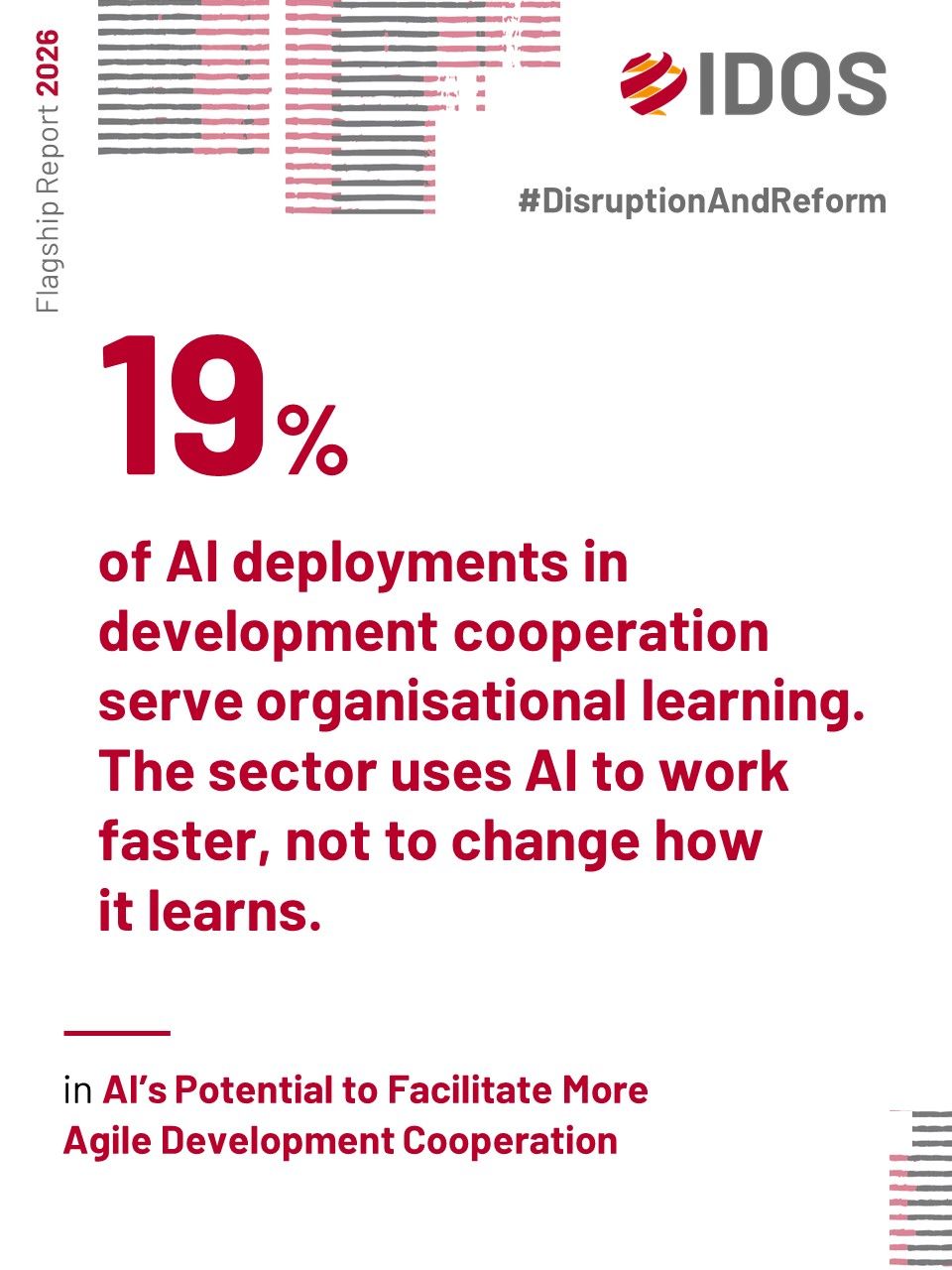
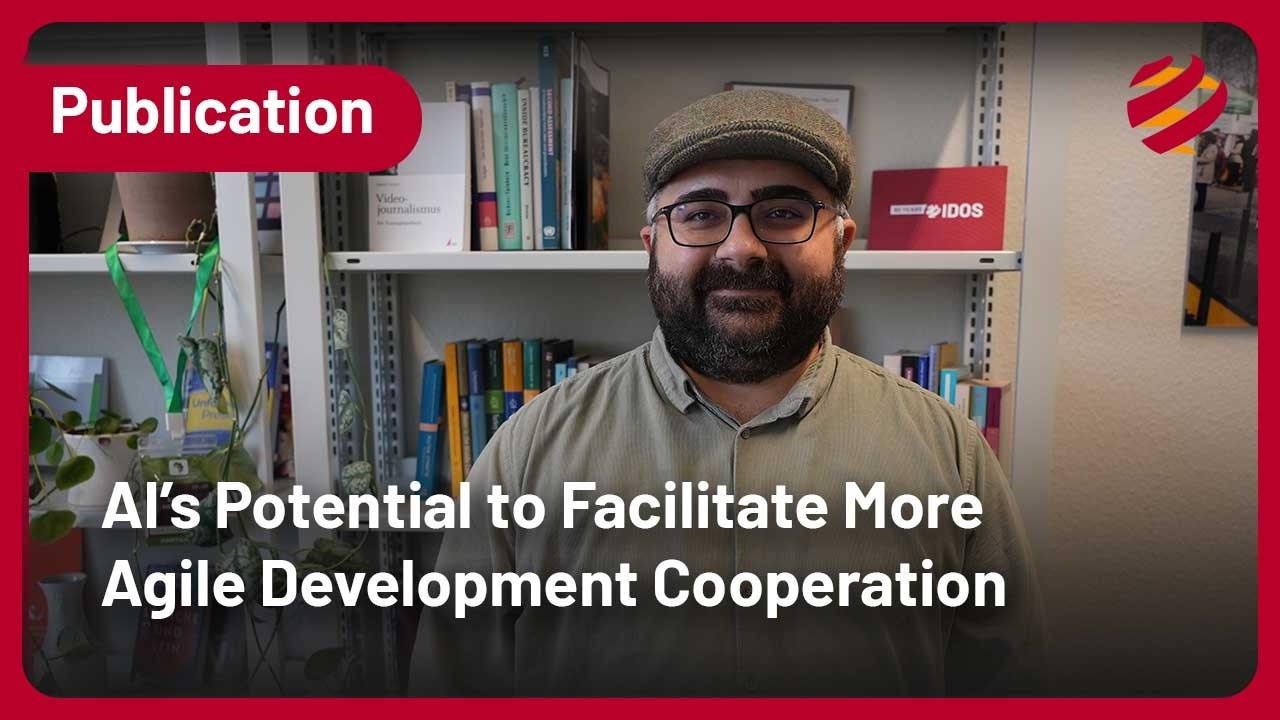
How is #AI currently being used in #development cooperation? To assess the sector's AI engagement, I collected a database of AI deployments by development cooperation organizations. In a recent co-authored piece with Michael Roll, PhD, we argue that monitoring, evaluation, and coordination, which are the functions that would actually change how the sector learns, make up only about 19%. ▶In other words, the sector uses AI to do its existing work faster, not to change how it works and learns.
Read on LinkedIn →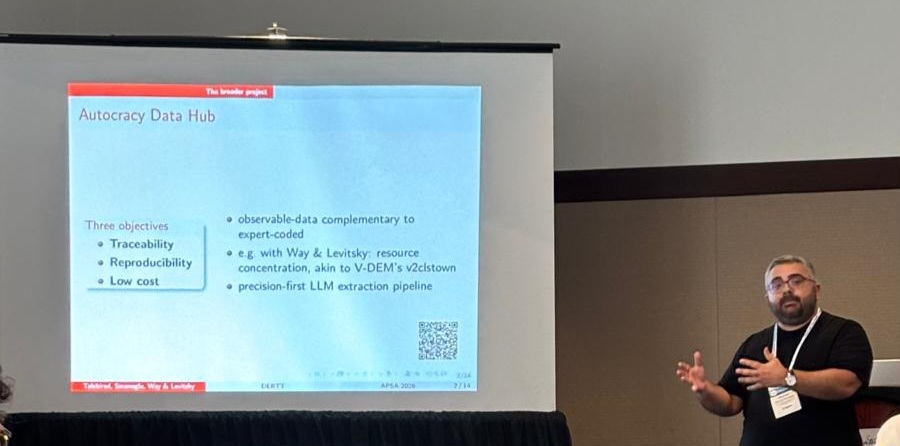
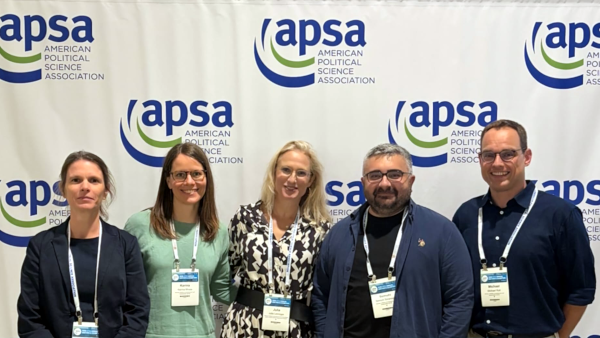
#APSA2026 was a blast! I presented our measurement paper with Lucan Way, Steve Levitsky, and Yashar Talebirad. It is an event-level dataset that tracks autocratization globally, built on a precision-first #LLM pipeline that lets you trace every registered incident to its source. It is also very cost-efficient. We see it as a complementary measure to expert-coded #data. Our paper was part of a panel I put together to offer fresh perspectives on measuring regime trends in innovative ways.
Read on LinkedIn →